CRM Selection Made Easy: Key Factors to Think About
Determining the best CRM platform can seem like a formidable endeavor. With so many alternatives to consider, each boasting unique attributes and advantages, it's common to become confused. However, making an intelligent choice is essential for improving client relationships, improving employee productivity, and driving company expansion. Your CRM system should correspond with your business’s targets and procedures, allowing you to cultivate better bonds with your customers.
To streamline this task, it's important to understand the crucial elements that should affect your decision. From crm training and ease of use to interoperability and customer support, each component plays a significant part in ensuring that the customer relationship management you opt for meets your individual demands. By emphasizing on these important aspects, you can steer through the complexities of customer relationship management choices and find a solution that not only fits your present needs but also evolves to your upcoming expansion.
Grasping CRM Requirements
Selecting the best customer relationship management solution begins with a clear grasp of your organization’s distinct needs. It is essential to assess the kinds of interactions your company has with customers, such as sales, marketing, and support. Identifying your key aims for installing a CRM system will help you ascertain which features and characteristics are essential to meet those goals.
Next, take into account the scale of your business and the size of your team. A small business may have varied needs compared to a large enterprise. Grasping the quantity of customer interactions, the difficulty of your sales processes, and the level of cooperation needed among team members will lead you in choosing a CRM that is conveniently sized and equipped for your organization.
Finally, it is important to include key stakeholders in the decision-making method. Gather feedback from sales, marketing, and customer service teams to comprehend their challenges and demands. By including different opinions, you can ensure that the CRM system you select meets the demands of all teams, culminating in enhanced acceptance and contentment across the organization.
Assessing CRM Features
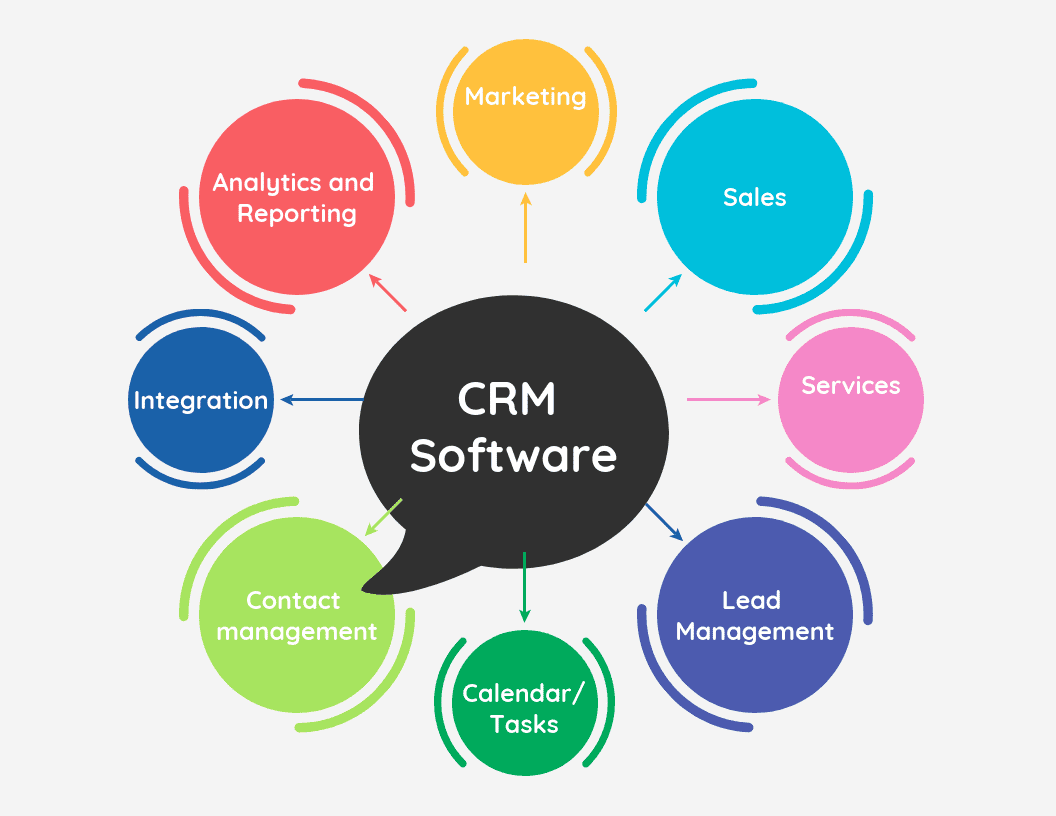
As you begin selecting a CRM solution, it is essential to review the particular features that fit your organizational needs. Various customer relationship management systems offer varied functionalities, such as contact management, automated sales, email connectivity, and reporting tools. Determining which features are critical for your business will guide you refine your options and confirm that the solution will support your goals effectively.
A further key consideration is the user experience and UI of the CRM. A intuitive design can greatly boost team acceptance and productivity. Look for solutions that offer intuitive navigation and tailored dashboards. Features that allow for seamless collaboration among team members, such as joint notes and chat features, can also significantly benefit your organization by encouraging teamwork.
Finally, it is crucial to consider the growth potential and adaptability of the CRM you choose. As your organization grows, your customer relationship management needs may evolve. Opt for a solution that can scale with your organization and offer extra features or integrations as needed. This strategic approach will ensure that your investment in a CRM solution continues to offer value over time.
Deployment and Assistance
Selecting a client management tool extends beyond just choosing the right characteristics. It is essential to assess the rollout procedure of the CRM solution. A carefully planned deployment framework can promote a easier change, reduce interruptions, and ensure that your team can rapidly adjust to the latest system. Look for vendors that provide extensive induction assistance and have materials available to guide your staff through the initialization configuration and customization. A clear roadmap and goals for deployment can also aid ensure the project on track.
Ongoing support is another essential factor to take into account when choosing a CRM system. Ensure that the supplier offers available customer service and technical support after the system goes live. Check if they have diverse methods of support, such as telephone, electronic mail, and chat, along with comprehensive documentation and training materials. A provider that is committed to helping you fix challenges rapidly will considerably enhance your experience with the CRM and ensure that you can thoroughly leverage its functions.
Finally, take into account the availability of upgrades and additions. Customer relationship management systems are regularly developing, and having a provider that is dedicated to frequent improvements can greatly benefit your business. These updates can consist of updated features, protection upgrades, and adjustments based on customer input. A anticipative strategy to keeping and enhancing the tool shows that the supplier values lasting client connections and is committed to your achievement.